Select a program to see details and download the brochure.
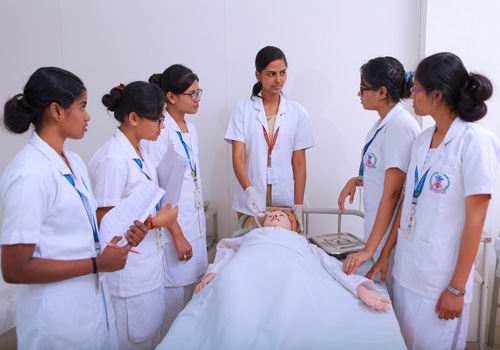
The GNM course is designed to train students in patient care, midwifery, community health, and healthcare ethics. This diploma equips learners with hands-on clinical experience and strong theoretical knowledge essential for a successful and rewarding professional nursing career in diverse healthcare settings.
- Patient Care & Nursing Fundamentals
- Midwifery & Obstetrical Nursing
- Community Health Nursing
- Professional Ethics & Communication
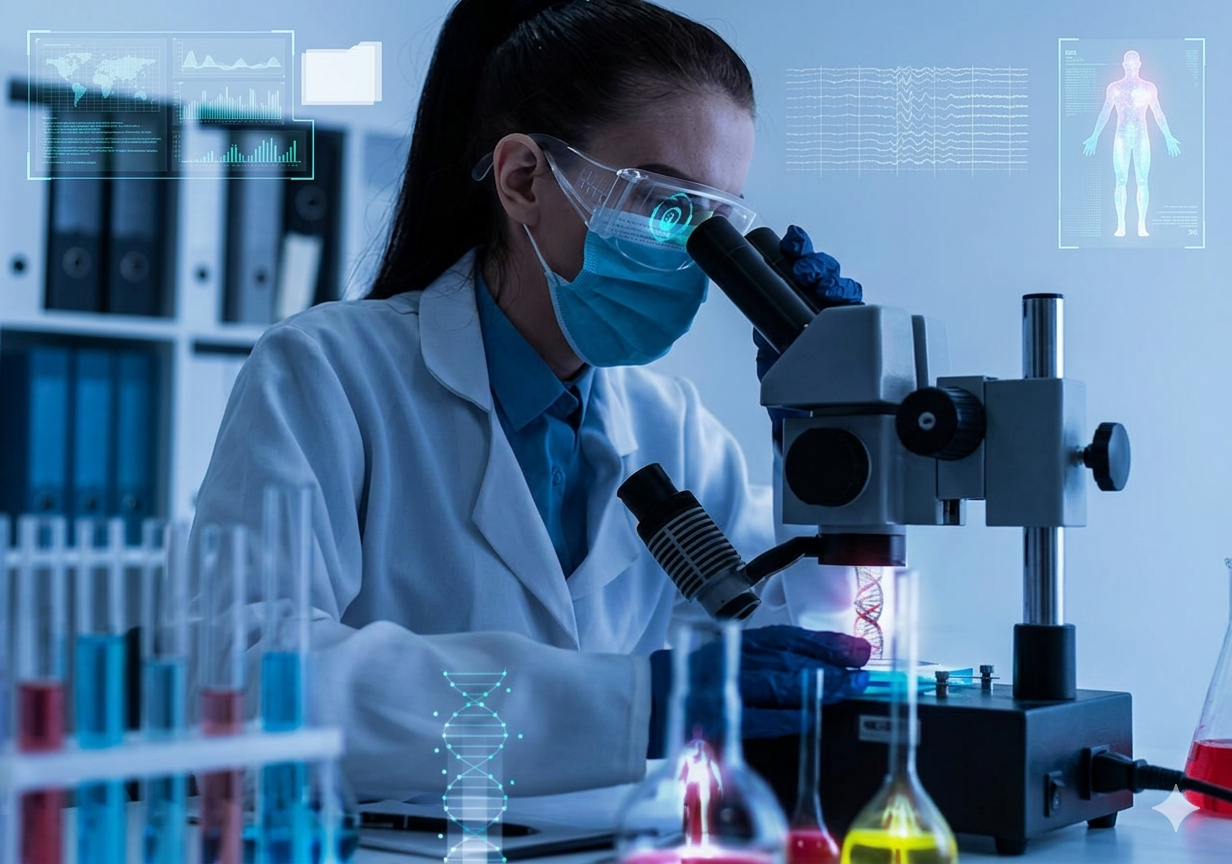
Diploma in Medical Laboratory Technology (DMLT) is a paramedical course that trains students in laboratory diagnostic techniques. It covers subjects like pathology, microbiology, biochemistry, and hematology. The course focuses on practical skills in handling lab equipment, testing samples, and ensuring accurate results, preparing students for roles in hospitals, clinics, and diagnostic laboratories.
- High demand ensures stable job opportunities
- Builds strong practical laboratory skills
- Short course enables quick career start
- Offers scope for higher studies and growth
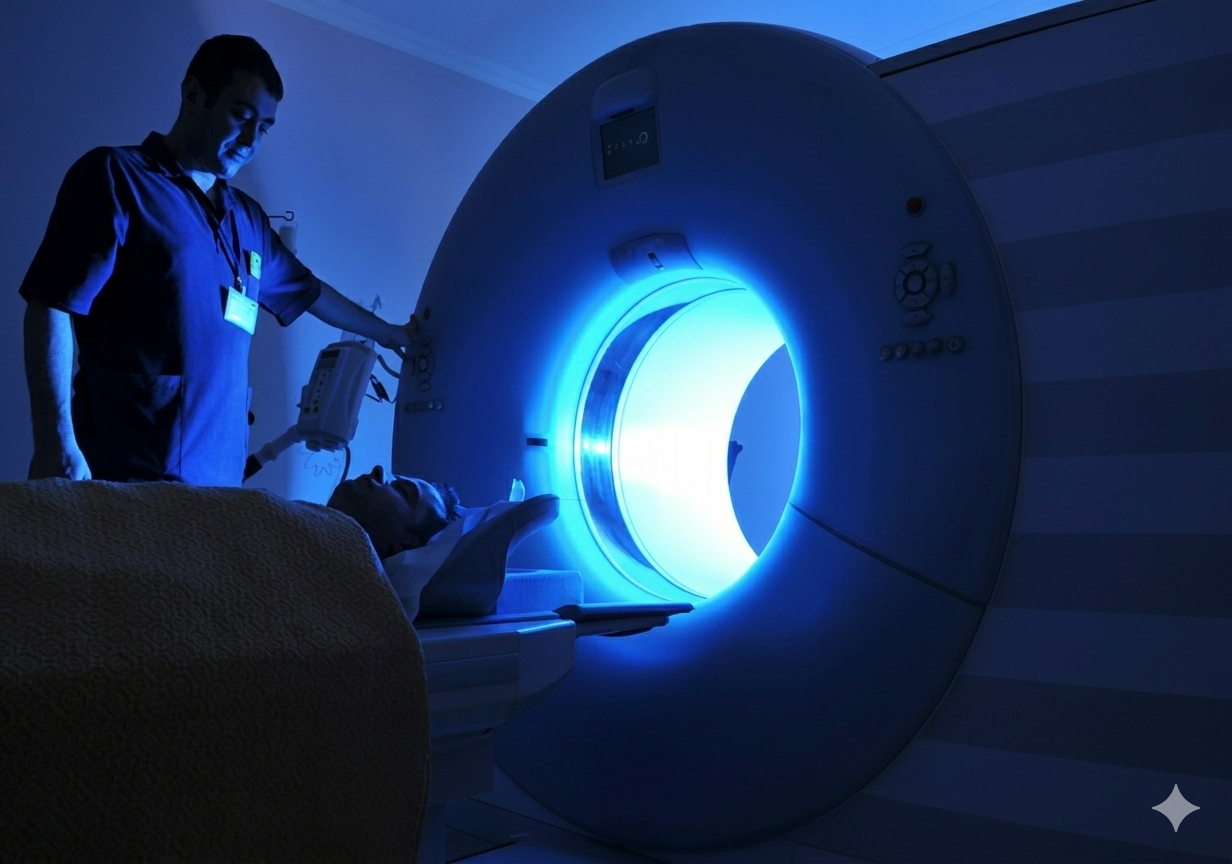
A Diploma in Radiology & Imaging Technology (DRIT) is a paramedical program that trains students to operate medical imaging equipment and assist in diagnosing diseases. The course typically covers techniques such as X-rays, CT scans, MRI, and ultrasound, along with basic human anatomy, radiation physics, and patient care. Students learn how to handle imaging machines safely, maintain records, and support doctors in interpreting results. DRIT programs usually last 1–2 years and are suitable for those interested in healthcare technology without pursuing a full medical degree. Graduates can work as radiology technicians or imaging technologists in hospitals, diagnostic centers, and clinics, playing an important role in modern medical diagnosis.
- Provides specialized skills in operating imaging equipment like X-ray, CT, and MRI
- Offers strong career opportunities in hospitals and diagnostic centers
- Plays a vital role in accurate medical diagnosis and patient care
- Short duration course with quick entry into the healthcare field
- Growing demand due to advancement in medical imaging technology
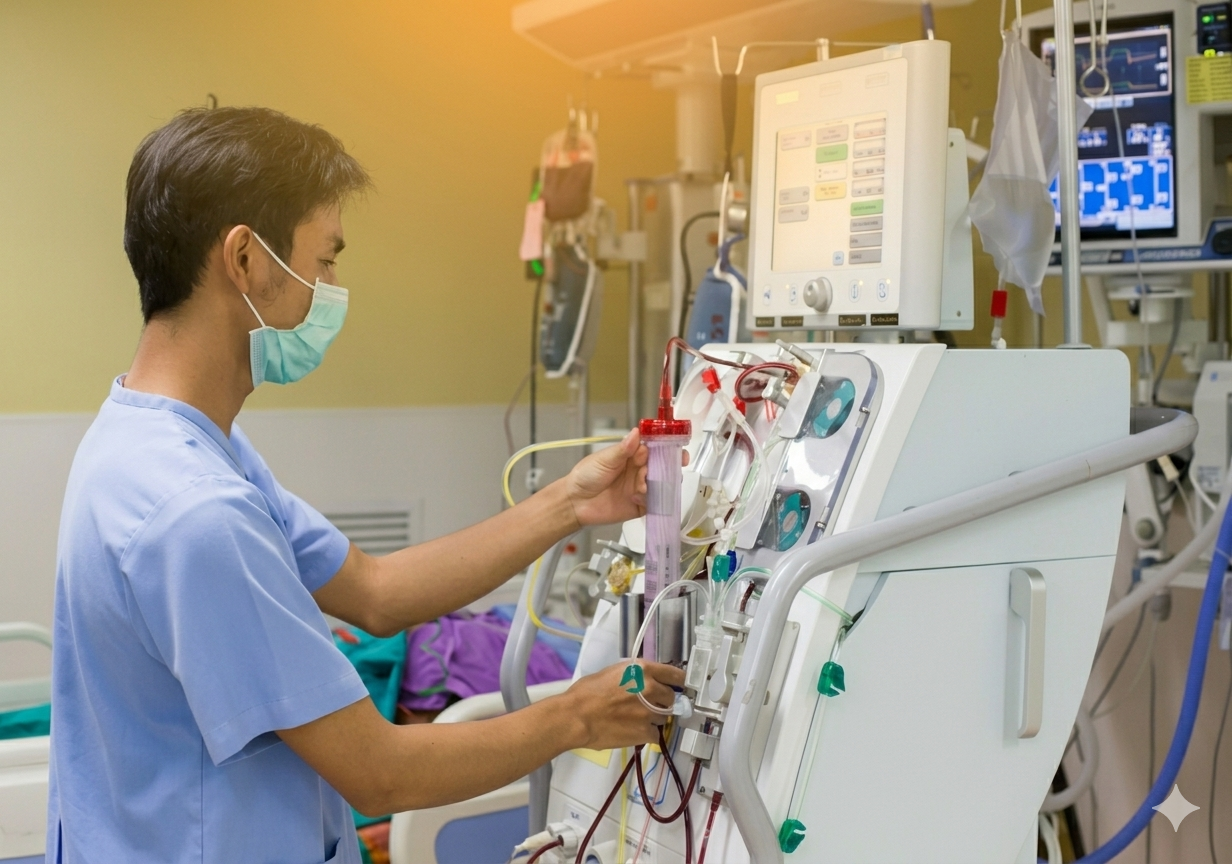
The Diploma in Dialysis Technician (DDT) is a specialized paramedical course that trains students to assist in the treatment of patients with kidney failure through dialysis procedures. The program covers essential topics such as human anatomy, renal physiology, dialysis techniques, operation and maintenance of dialysis machines, infection control, and patient care. Students also gain practical experience in clinical settings, learning how to monitor patients during dialysis and handle emergencies. This course prepares graduates to work in hospitals, dialysis centers, and healthcare facilities as skilled dialysis technicians, playing a crucial role in supporting patients with chronic kidney disease.
- Builds expertise in dialysis procedures, equipment handling, and patient monitoring
- Prepares for roles in hospitals, dialysis centers, and nephrology clinics
- Enhances understanding of kidney diseases, treatment protocols, and emergency care
- Provides hands-on clinical training with real patients and advanced medical equipment
- Offers stable career opportunities with growing demand in healthcare sector globally
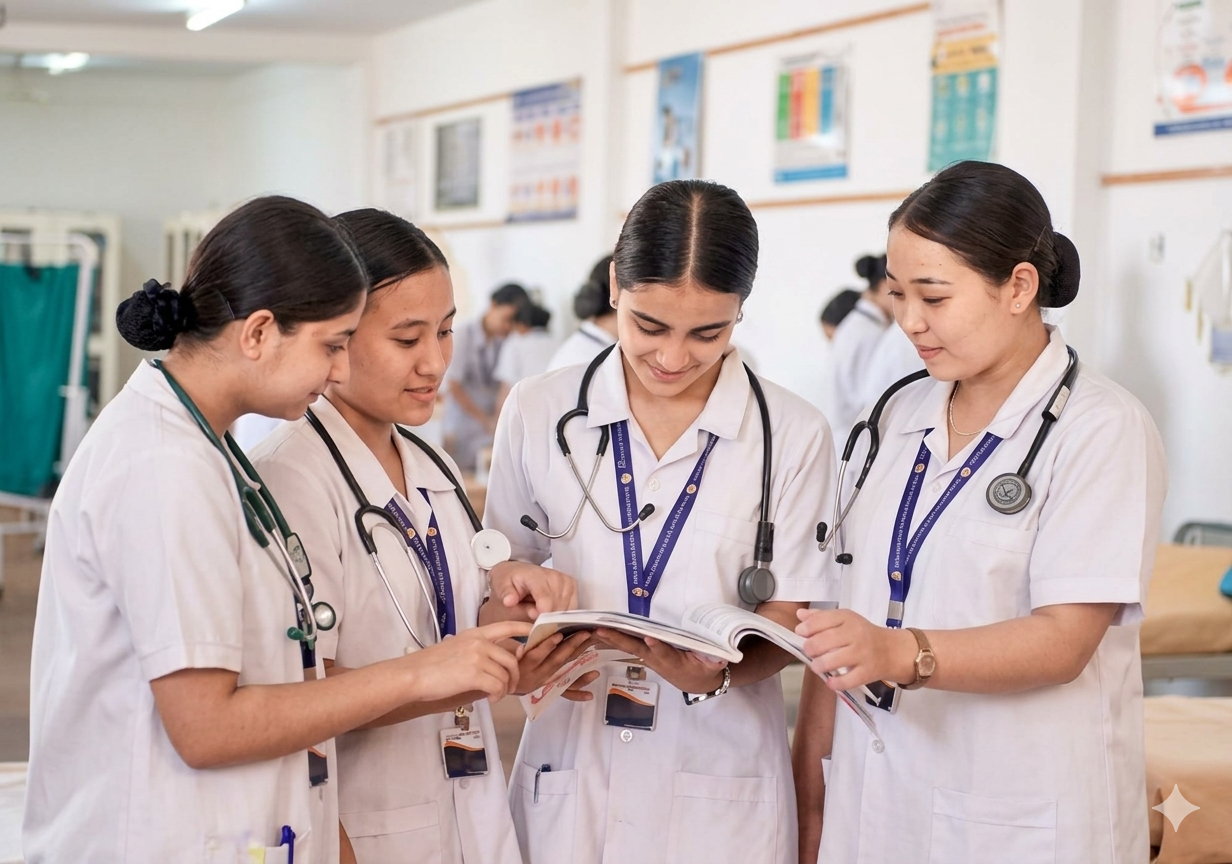
The Diploma in Hospital Nursing and Midwifery (DHNM) is a vocational healthcare program designed to train students in basic nursing care and maternal health services. The course typically covers subjects like anatomy, physiology, nutrition, community health, first aid, and midwifery practices, preparing students to assist doctors and registered nurses in hospitals, clinics, and rural health centers. It focuses on developing practical skills such as patient care, hygiene maintenance, administering medications, and supporting childbirth. DHNM is usually pursued after secondary education and serves as an entry-level qualification for those interested in the nursing field, especially in maternal and child healthcare, with opportunities for employment in both government and private healthcare sectors.
- Builds strong clinical skills in patient care and procedures
- Enhances maternal health knowledge and midwifery practices for women
- Develops newborn care skills and emergency response abilities in critical situations
- Prepares for hospital clinic and community healthcare roles
- Supports career growth and advanced nursing education opportunities
- Strengthens communication skills for effective patient interaction and coordinated healthcare teamwork
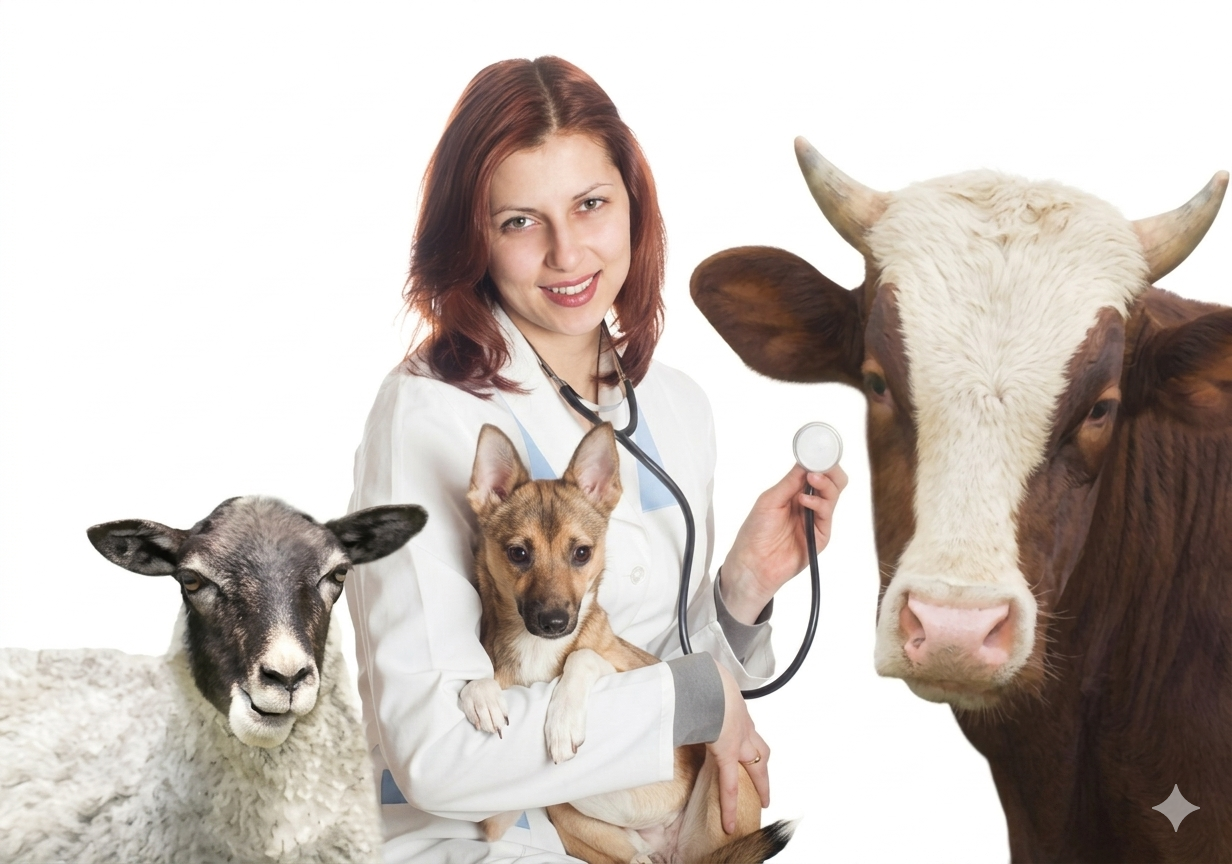
A Diploma in Veterinary Science (DVS) is a short-term professional course designed to train students in the basic principles of animal healthcare and management. It focuses on subjects like animal anatomy, physiology, nutrition, disease prevention, and first aid treatment for livestock and pets. The course prepares students to assist veterinarians in clinics, farms, and animal husbandry services. Typically ranging from 1 to 2 years, DVS emphasizes practical skills such as handling animals, administering medicines, and maintaining hygiene. Graduates can find opportunities in veterinary hospitals, dairy farms, poultry units, and government or private animal care sectors, or pursue further studies in veterinary science.
- Develops strong foundational knowledge in animal anatomy, physiology, nutrition, and diseases
- Builds practical skills in animal handling, care, and basic veterinary treatment
- Prepares students for roles in clinics, farms, and animal healthcare settings
- Enhances career opportunities in the expanding veterinary and animal care sector
- Provides a solid base for higher studies and specialization in veterinary science

A Diploma in Hotel Management and Catering Technology (DHMCT) is a professional course designed to prepare students for careers in the hospitality and food service industry. It typically covers key areas such as food production (cooking), food and beverage service, housekeeping, front office operations, and basic management skills. The course combines theoretical knowledge with practical training, helping students develop customer service skills, communication abilities, and operational expertise required in hotels, restaurants, resorts, and catering businesses. Usually lasting 1–3 years, DHMCT also includes industrial training or internships, giving students real-world exposure to the hospitality sector and enhancing their job readiness.